Artificial Roof That Outperform Typical Roof in the Midwest
The Midwest is not forgiving to roofing systems. A home in Chicagoland might see deep snow in January, wind-driven rain in April, intense UV and heat in July, after that hail storm and freeze-thaw swings prior to the fallen leaves are down. That kind of cycle exposes every powerlessness in a roof setting up. It turns up initially at fasteners, joints, ridges, valleys, flashing changes, and on any material that takes in wetness or ends up being fragile with age.
That is why more homeowners, engineers, and premium building contractors are paying closer attention to artificial roof. Not due to the fact that they are trendy, and not because they mimic exceptional materials at a reduced rate factor, though some do. They are obtaining traction due to the fact that particular items merely handle Midwestern climate much better than several typical alternatives. When the product is defined correctly and the artificial roofing system installment is done by knowledgeable teams, the result can be a roof with solid effect resistance, lighter architectural demand, even more consistent look, and fewer maintenance headaches over time.
There is a lot of sound in this category, so it aids to be precise. Not every synthetic roof is premium synthetic roof. Not every polymer tile belongs on a high-end home. And not every professional who says they set up these items recognizes the information that make them work in the area. Efficiency originates from the whole system, not just the face of the roof shingles or tile.
What "outperform" actually suggests in the Midwest
When homeowners hear that one roof surpasses another, they commonly assume it indicates longer life-span alone. In practice, that is only component of the story. In the Midwest, a better roof gains its maintain in several ways at once.
It sheds water reliably during wind-driven tornados. It resists breakage during hail events. It endures thermal activity without curling, fracturing, or shedding alignment. It holds shade and structure as opposed to looking tired after a few warm summer seasons. It additionally minimizes the threat of concealed issues, specifically moisture intrusion around flashings and penetrations. On higher-end homes, look issues too. A roofing that looks level, milky, or irregular after a decade is not really performing, also if it practically still keeps water out.
Traditional roof materials each have staminas. Asphalt tiles are accessible and familiar. Cedar has heat and character. Natural slate is attractive and long lasting. Clay and concrete tile produce a distinctive architectural appearance. But each of those materials additionally comes with limitations that come to be a lot more pronounced under Midwestern conditions.
Asphalt can lose granules, crease in wind, and endure during duplicated freeze-thaw exposure as it ages. Cedar requires upkeep and can divide, mug, or support moss if conditions are right. Slate is remarkable in lots of respects however extremely heavy, expensive to repair, and not every structure is framed for it. Tile takes care of heat well, yet fragile breakage in cooler climates or under effect is an actual concern.
The finest synthetic roofing systems are made to address those weak spots without developing new ones.
Why synthetic materials have actually relocated past "replica"
A decade or two ago, artificial roof frequently brought a credibility for looking overly manufactured up close. Some early items did. The structure was as well repetitive, edges were also consistent, and the shade lacked deepness. That has transformed considerably at the premium end of the market.
Today's architectural artificial roof products are usually engineered from sophisticated polymers, composite resins, or recycled product mixes with UV stabilizers and impact-resistant formulations. The very best variations do not simply mimic cedar shake, slate, or floor tile. They reinterpret those accounts in a manner that keeps the visual richness while boosting uniformity and weather condition resistance.
On a recent luxury residential project, the proprietors desired the appearance of hand-split cedar without the maintenance schedule that usually follows it. Your house had steep gables, several valleys, and a heavily landscaped lot where falling branches were a problem. A costs artificial roofing shake profile made good sense. As soon as set up, the shadow lines and staggered widths offered the roof covering the variant the designer wanted, however the material itself was much less prone to cracking and moisture absorption than all-natural timber. That is the sort of practical compromise synthetic items handle extremely well.
For synthetic roofing for high-end homes, visual appeals are not secondary. Oftentimes, they are the reason the discussion starts. But the items that absolutely stand apart are the ones that couple visual depth with legitimate field performance.
The Midwest punishes weight, brittleness, and water absorption
One reason synthetic roofs can outperform typical roofing systems is basic physics. Many synthetic roof roof shingles and tiles are significantly lighter than natural slate or clay tile. That matters in older Midwestern real estate supply, where architectural retrofitting can add considerable price to a roofing system replacement. If a homeowner enjoys the slate appearance yet the framework was never designed for real rock, a high quality artificial slate profile can open up a choice that would or else be impractical.
Lower weight likewise impacts installment logistics. It minimizes managing stress, can make staging much easier, and places less long-term anxiety on the structure. That is not an alternative to proper underlayment, attachment, and ventilation, yet it is still an advantage.
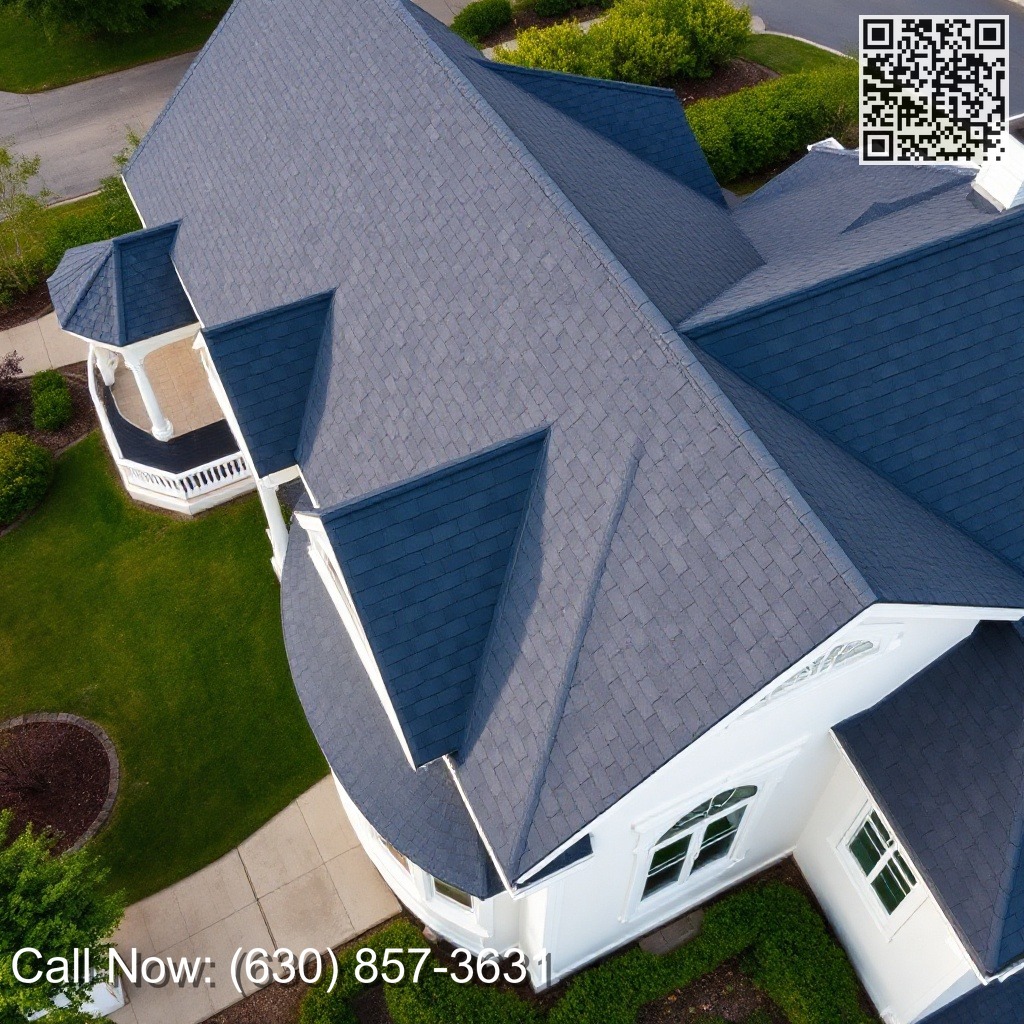
Brittleness is one more problem. In environments with freezing temperature levels, impact events level regarding roofing products really promptly. Hail storm does not land nicely, and neither do branches tossed by straight-line winds. Numerous artificial roof are crafted for high influence resistance. That can mean less fractures, less aesthetic damage, and in many cases a much better possibility of preventing premature artificial roofing system replacement after an extreme storm.
Water absorption is where some traditional products battle quietly over time. Products that handle moisture can experience extra throughout freeze-thaw cycles. Expansion, contraction, and surface area destruction do not always announce themselves immediately. A synthetic roof, particularly one made from low-absorption composite materials, stays clear of that problem by design.
Where synthetic roof covering radiates most
The best applications for property artificial roof covering in the Midwest have a tendency to come under a few clear groups. Historic-style homes that desire quaint appearance without quaint delicacy are one. High-value personalized homes are an additional. Residences surrounded by fully grown trees, homes subjected to open up wind hallways, and homes where the proprietors expect a cleaner, a lot more consistent appearance gradually also benefit.
Here are the scenarios where artificial roof commonly make the most feeling:
- Homes seeking slate, shake, or ceramic tile appearances without the structural problem of the all-natural material.
- Properties in hail-prone areas where impact resistance matters as long as curb appeal.
- Custom builds where the designer desires appearance and dimension that conventional asphalt can not deliver.
- Older homes that require a synthetic roofing system replacement without including significant framing upgrades.
- Luxury houses where long-lasting appearance and minimized upkeep bring genuine value.
Those groups overlap frequently. In markets like artificial roofing Chicago and synthetic roof covering Naperville IL, it is common to see homeowners balancing climate worries, HOA requirements, and the wish to maintain a details architectural character.
Synthetic slate, synthetic shake, and designer profiles
Not all synthetics are trying to do the exact same task. Extensively speaking, the highest-performing products in the Midwest fall under 3 families: slate-look accounts, shake-look profiles, and developer roof shingles that produce dimension beyond standard asphalt.
Synthetic slate has a tendency to work particularly well on Tudor, French Nation, Colonial, and certain modern homes that require crisp roofing system lines and fine-tuned structure. A great artificial slate account stays clear of the too much uniformity that hands out lower-end items. Try to find different widths, subtle density modifications, and mixed pigmentation instead of a flat black and white field.
Synthetic shake profiles are perfect where property owners like the heat of cedar yet do not desire the maintenance burden, fire issues, or weathering changability of timber. On bigger roofings, this classification can be particularly efficient due to the fact that it produces darkness and scale. Succeeded, it assists a roof feel proportional to your house as opposed to like a thin cap sitting on top of it.
Architectural synthetic roofing likewise consists of items that do not strictly imitate one natural product. Some are meant to give a premium, dimensional roofing system aircraft with cleaner lines and modern outlining. That can be a clever option for transitional homes where traditional cedar or slate visuals would certainly really feel as well heavy.
The key is matching account to architecture. A synthetic professional roofer who comprehends design will steer a property owner far from an item that carries out well technically but looks incorrect on the residence. That judgment matters more than people realize.
Installation is where good products either succeed or fail
Even outstanding products can underperform when installed thoughtlessly. I have seen premium roof coverings endangered by basic errors: misaligned starter programs, inadequately incorporated blinking, valley information constructed for speed instead of drain, and ridge air vent systems that were not balanced with appropriate consumption ventilation.
Synthetic roofing system installers need to adhere to maker requirements carefully since fastening patterns, direct exposure, accessory parts, and temperature considerations can vary from basic asphalt practices. Some items require certain spacing allocations for movement. Some require exclusive hip and ridge accessories. Some need accurate handling to avoid visible pattern repetition or field distortion.
That is why choosing the appropriate artificial roof business matters as long as choosing the item. A capable synthetic roofing contractor need to have the ability to describe just how they take care of ice-and-water membrane placement, valley building, pipeline flashing transitions, attic air flow, and the outlining at walls and smokeshafts. If the solutions remain unclear, that is a warning sign.
In northern Illinois, this is especially essential. An artificial professional roofer Chicagoland house owners can trust should be comfortable managing ice dam danger, wind exposure around lake-influenced climate patterns, and the quirks of older framing that are common in well established neighborhoods.
The underlayment package also is entitled to interest. A roof system is not simply what you see from the road. In several Midwest applications, high-temperature ice-and-water defense in vulnerable areas, artificial underlayment throughout the area, and carefully picked steel details become part of what makes the entire setting up durable. Saving money under the finish material often costs even more later.
How synthetics compare with asphalt, cedar, slate, and tile
Asphalt still belongs. For numerous homes, a well-made building asphalt shingle provides sound value. Yet it hardly ever supplies the exact same dimensional existence as premium synthetic roof, and in demanding climate it can show age faster. Granule loss, softened sides, and visual disparity prevail by the middle years of the roofing's life, particularly on sun-heavy exposures.
Cedar has unmatched natural charm, particularly on traditional homes. It additionally asks for regard. Air flow, treatment, maintenance, and environment direct exposure all impact just how cedar ages. Some owners enjoy the weather-beaten character. Others are let down when the roofing looks unequal after a stretch of wet periods and extreme winters. Synthetic shake is usually the response for those who want the cedar look with much less unpredictability.
Natural slate stays among the great roofing materials. On the appropriate framework, set up by true experts, it can outlive virtually whatever else. However it is pricey, heavy, and repair work call for a diminishing pool of tradespeople that know exactly how to collaborate with it appropriately. For several property owners, artificial slate delivers a lot of the visual reward with fewer architectural and logistical complications.
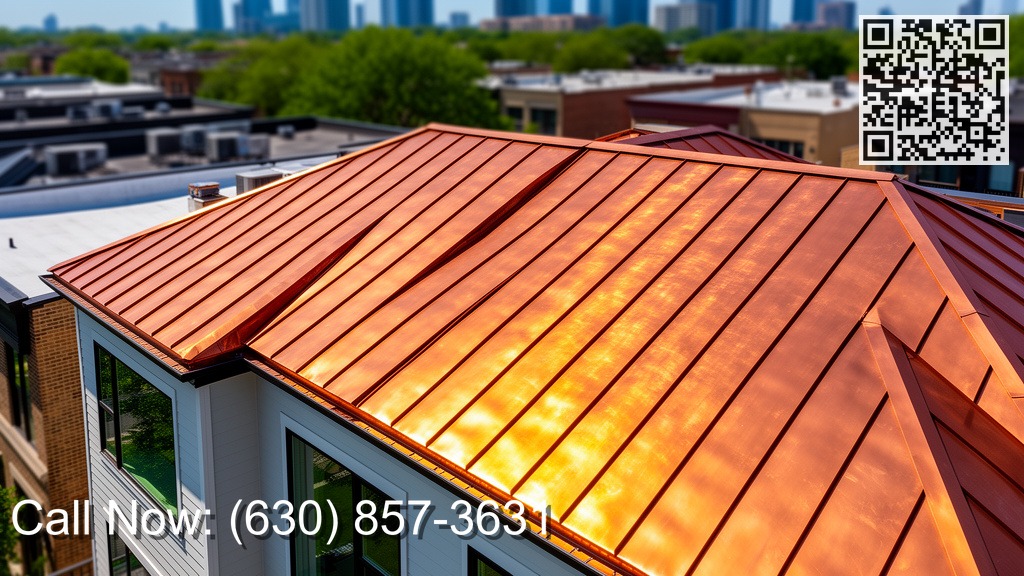
Tile is similar. Genuine clay and concrete tile are stunning, but their performance account fits some climates much better than others. In freeze-thaw regions, product choice and installment top quality end up being critical. Synthetic ceramic tile choices supply a way to protect the silhouette and design while reducing damage threat and installment burden.
Outperforming standard roof does not mean every artificial beats every natural material in every classification. It indicates the very best synthetic roofings usually give a better complete plan for real Midwestern conditions and homeowner priorities.
The appearance inquiry, due to the fact that curb appeal still drives decisions
Many house owners begin this search with efficiency in mind, after that make the decision based upon appearance. That is practical. The roof covering can represent a significant share of a home's visual impact.
This is where premium artificial roof has actually separated itself from product products. Much better lines have richer color blends, more natural edge variant, less luster, and accessory pieces that do not look like a second thought. From the ground, and even from the eave line, the distinction can be striking.
For artificial roof Chicago jobs, I have noticed that purchasers of higher-end homes are significantly sensitive to roofs that look "building contractor grade," even when the house itself is not. A very carefully selected synthetic roof can raise a home's outside in such a way that regular laminated asphalt often can not. That matters in competitive areas, and it certainly matters for home owners planning to remain long enough to respect just how the roof will certainly look in year 10, not just week one.
Cost, value, and the actual mathematics over time
Synthetic roofing systems normally cost extra upfront than conventional asphalt. That component is noticeable. The more useful inquiry is what the house owner enters return.
The value recommendation often includes longer service assumptions, lower maintenance compared to cedar, fewer structural problems compared with https://sergiofwml459.silverstonebrief.com/posts/exactly-how-synthetic-roof-installers-prepare-houses-for-year-round-exposure slate or ceramic tile, and stronger resistance to typical Midwest stressors such as hail storm and freeze-thaw biking. There can also be insurance ramifications relying on product rankings and the service provider, though that differs enough that it needs to never ever be assumed.
A home owner considering synthetic roof substitute must additionally consider second prices. If an all-natural slate or tile alternative activates engineering testimonial or structural reinforcement, the budget plan adjustments fast. If cedar needs ongoing therapy or repair service interest, the life time expense photo adjustments there as well. Sometimes exceptional artificial roofing is not the cheapest roofing on paper, but it comes to be the most sensible roofing system when all the connected prices are counted.
This is where a reliable synthetic roof company gains its charge. Good service providers talk with those compromises honestly. They do not sell every house owner the exact same setting up. They ask for how long the owners prepare to remain, exactly how vital specific historic appearance is, how much upkeep they want to take on, and what past tornado damage has actually looked like on the property.
What to ask prior to choosing a system
If you are contrasting products and service providers, a few questions expose a whole lot really swiftly. Ask what profile the contractor believes best matches the house and why. Ask whether the staff has actually installed that particular item previously, not just "artificial roofings" as a whole. Ask just how they manage valley waterproofing, ventilation approach, blinking substitute, and cold-weather scheduling.
Most notably, ask to see finished neighborhood work that has actually remained in solution for numerous years. Fresh setups constantly look good. The real test is whether the roofing still festinates after a few winters months, a hail storm period, and the regular dirt and sun exposure of Midwestern life.
A solid artificial professional roofer ought to be comfortable going over not simply the roof covering, however the complete roofing system. That consists of decking problem, insulation and air flow communication, underlayment selection, accessory compatibility, and long-lasting utility. Those conversations are where specialist judgment shows.
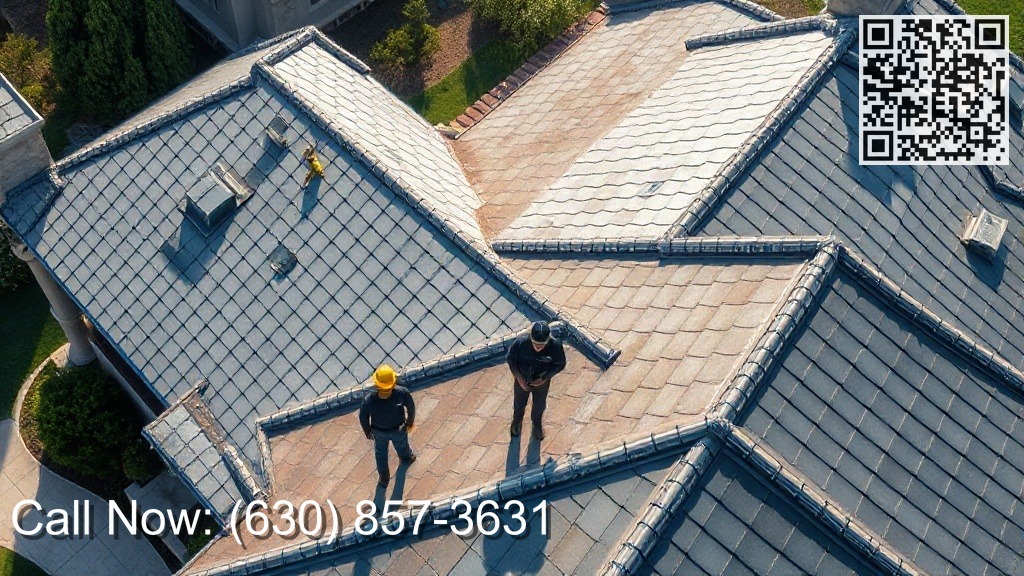
The Midwest is precisely where the best synthetic roofing makes sense
There are regions where standard materials remain the default for apparent reasons. The Midwest is much more challenging. This environment asks a whole lot from roofings, and house owners are best to try to find products that can deal with serious weather condition without surrendering architectural character.
That is the toughest instance for contemporary artificial roof covering roof shingles and composite accounts. They permit property owners to pursue the look of cedar, slate, or tile while avoiding a number of the disadvantages those materials bring in a requiring climate. When picked very carefully and mounted by seasoned artificial roof covering installers, they can provide a better mix of durability, style adaptability, and long-term appearance than lots of heritage roof covering choices.
For home owners in markets such as artificial roofing Naperville IL or the more comprehensive Chicagoland location, that equilibrium is particularly appealing. You do not require to select between a roofing that looks premium and a roof covering that acts smartly under Midwest weather tension. The best artificial roof do both.
That does not indicate every artificial item belongs on every home. It means the group has grown. There are currently qualified, well-engineered alternatives that are worthy of to be considered together with cedar, slate, floor tile, and high-end asphalt. In several Midwestern applications, they are no more the compromise option. They are the smarter one.
When Quality Matters
Salvo Architectural Roofing Contractors
566 West 5th Ave Naperville, IL 60563
(630) 857-3631
 Ask ChatGPT
 Ask Grok
 Ask Perplexity
 Ask Claude
 Ask Google AI
 Ask You